
Best Lifting Accessories for Weight Training: A Complete Guide

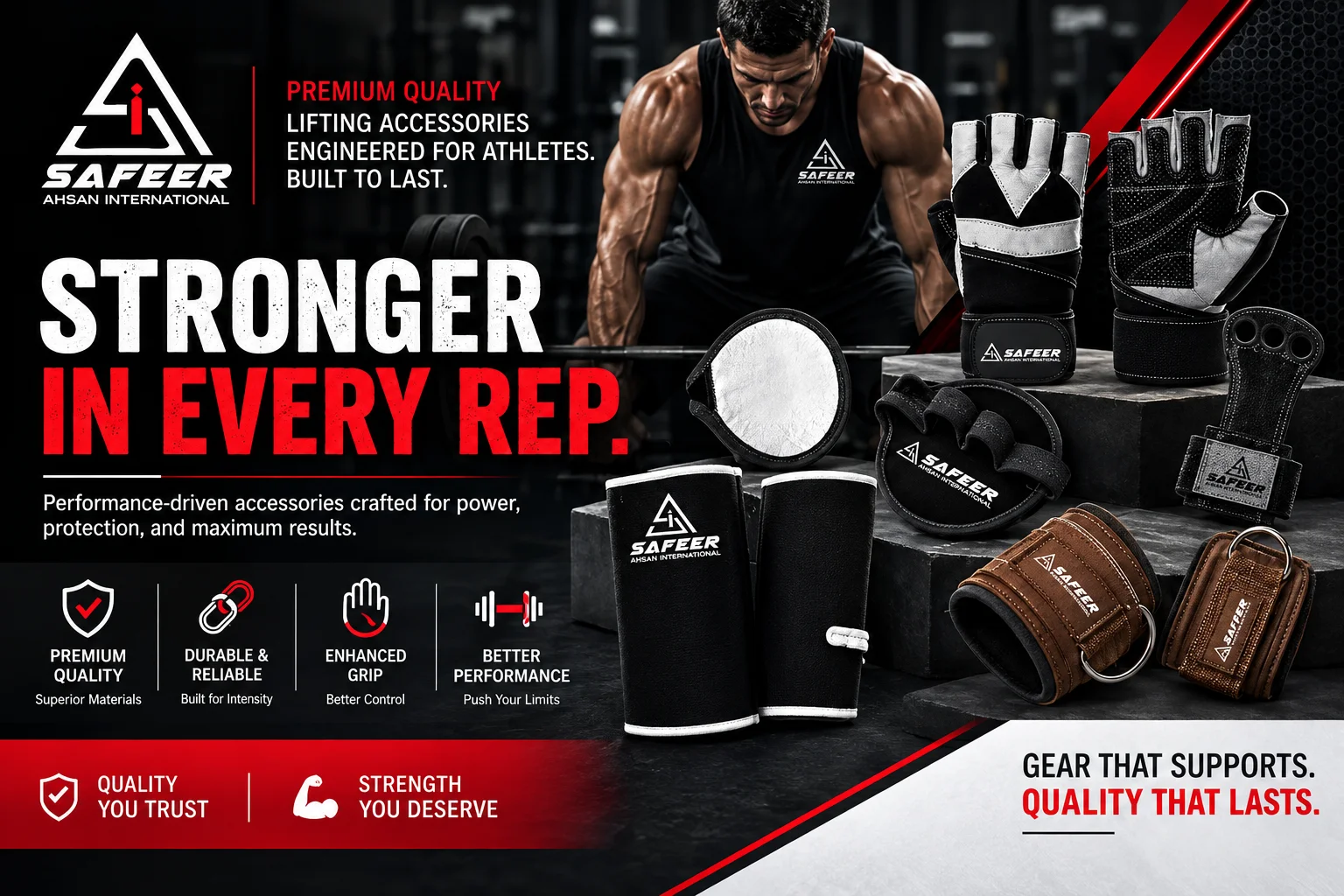
Weight training is among the most efficient ways to increase strength, boost athletic performance, encourage healthy movement, and build confidence at the fitness center. While a judicious training regimen is the most important thing, the appropriate equipment can make your workout more enjoyable, controlled, and efficient. From straps to aid pulling, to grips that enhance the interaction with equipment, little adjustments can make a difference in the way you train.
For those training in the USA, selecting the appropriate equipment for lifting is typically about picking reliable items that meet your personal needs. For a serious lifter, you may require greater support during intense sessions, and a novice may require more control and comfort. The ideal choice is based on the intensity of your workouts, the frequency of your training, the hand’s comfort, and the kind of equipment you choose to use.
This guide will explain the best equipment for lifting to help with weight training and the best way to select the right ones.
Why Lifting Accessories Matter
Lifting equipment is designed to aid in the areas of training that may be a source of limitation during repetitive or strenuous exercises. They can help improve grip, increase the feeling of comfort, aid in controlled movement, and keep you focused on your technique.
A well-chosen accessory can be helpful in the following situations:
- Your grip will become fatigued before you reach the target muscle group.
- You require more control when pulling or performing lower body movements.
- Repetition of training causes pressure on hands or the contact areas
- You require additional assistance for challenging exercises
- You’re looking for an easier and more comfortable setting for your gym workouts
Equipment should not replace good method. They should instead complement good training practices and aid you in completing exercises with more regularity.
1. Lifting Straps for Pulling Exercises
Straps for lifting are among the best equipment for those who frequently exercise in deadlifts, rows, shrugs, and different pulling workouts. They can lessen the fatigue in the grip that occurs during intense sets.
In the case of many lifting athletes, their hands and forearms can be tired before the posterior or back chain has been working hard enough. Straps will help you keep a secure grip on the bar to focus on the exercise.
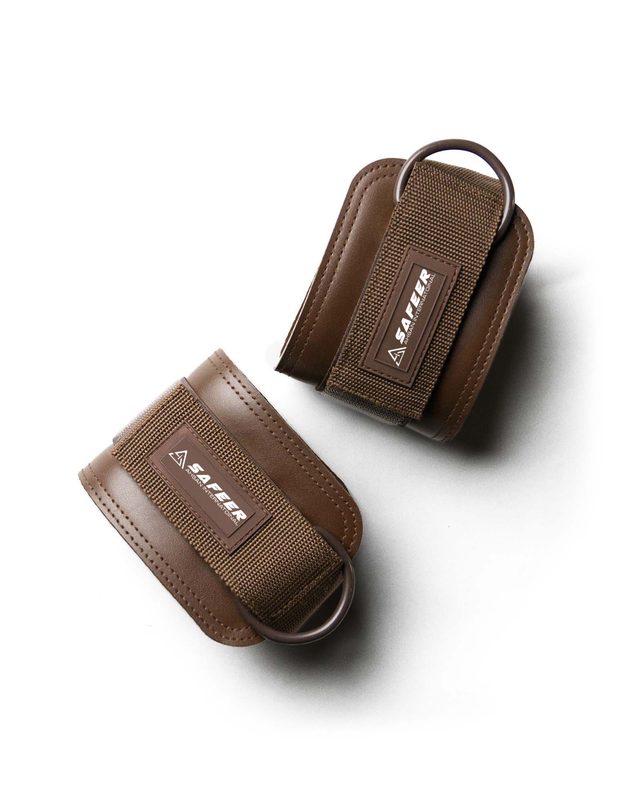
When choosing straps, take into consideration:
- Stitching strength and material quality
- Relaxed wrist protection
- Secure adjustment
- Easy to put them on and then take off
- Training style
Lifters who are searching for the best ankle straps for lifting must pay close attention to fit and fastening performance. The strap that is secure will feel solid and not create excessive pressure on the joint.
2. Ankle Supports and Straps
Ankle support devices can be useful for leg exercises, kickbacks, exercises that target the hips, as well as specific rehabilitation-oriented exercises. A properly fitted ankle support will improve the comfort of your feet and allow you to maintain an even connection with the cable.
The comfort factor is crucial, particularly when exercising involves repetitive movements. A piece of equipment that moves, rubs, or feels too tight could quickly become distracting.
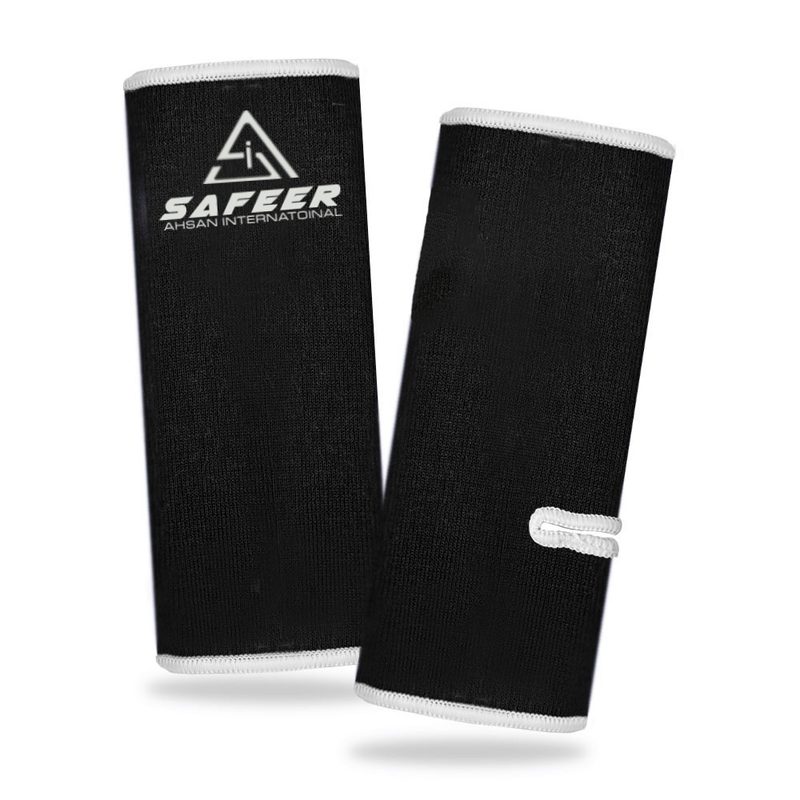
Find features like:
“Soft contact” materials
- Reliable fastening
- Stable positioning
- A comfortable width around the ankle
- Design that can be used for regular exercise
Acustomer preferred ankle support will provide a functional combination of comfort, secure positioning, and long-lasting support. It should be able to support your movement without being the focal point of your training.
3. Weight Lifting Gloves
Gloves can be an excellent accessory for those who need additional hand comfort during their frequent training. They can reduce contact between hands and textured bars, which can be beneficial for high-repetition exercises.
The best gloves will feel more natural than heavy. The most comfortable fit will allow you to control the bar, while also protecting the parts of your hand which are most prone to pressure.
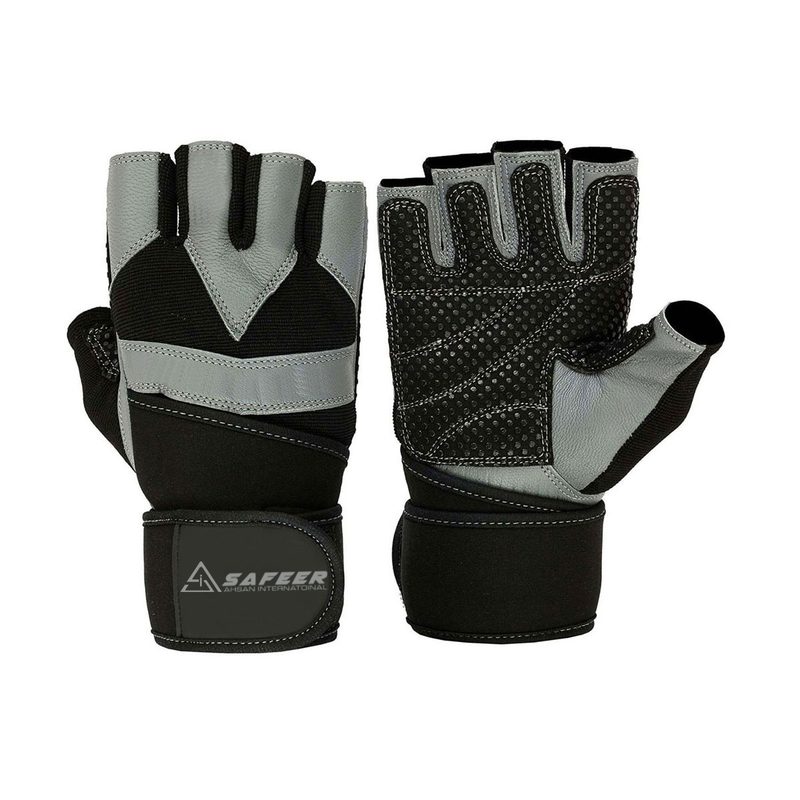
When you are shopping fordurable gym gloves for exercise, take into consideration:
- Breathable substances
- Construction with flexibility
- a secure wrist
- Comfortable palm coverage
- Reinforced areas in which wear is likely to occur.
Gloves are particularly useful for those who train multiple days a week and require the same feeling from session to session. They should help you grip and not interfere with your grip.
4. Gym Grip Pads
Grip pads are a great alternative for those who need hand protection and still have an immediate feel for fitness equipment. They are typically employed for pulling exercises, machines, and cables, as well as general strength training.
As opposed to bulky gloves, certain grip pads give a smaller sensation. They are a good choice for lifters who need protection in important areas of contact without covering the entire hand.
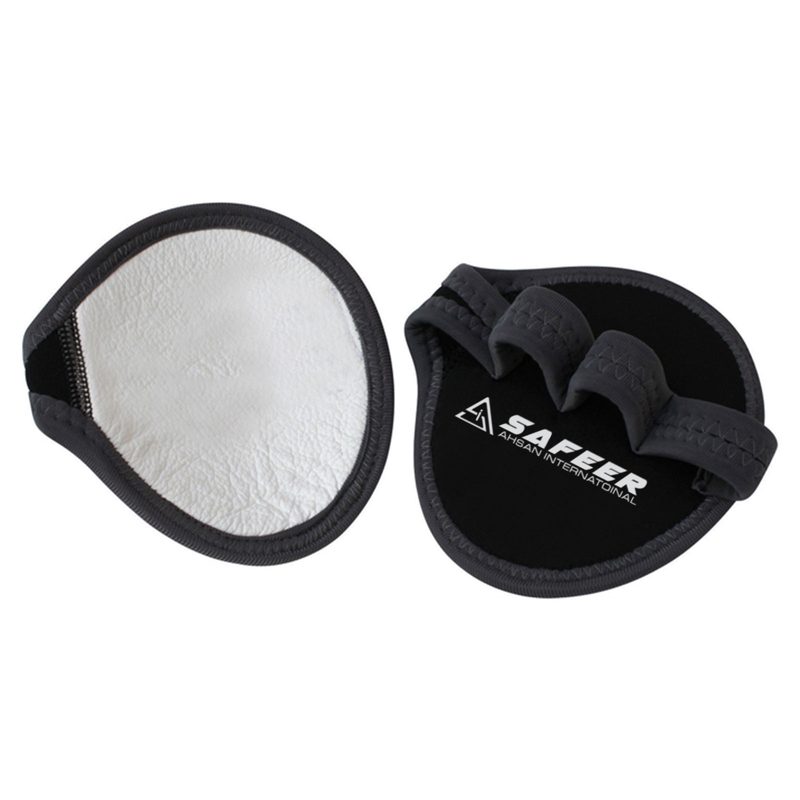
If you are thinking ofgrip pads for athlete gym use, look for:
- A strong material in the palm region
- Comfortable finger positioning
- Secure attachment
- A form that allows for natural hand movements
- Simple cleaning and maintenance
The proper grip pad must be secure from the start of a set until the last repetition. It should be easy to use regularly without affecting your training.
5. Gymnastic Grips for Functional Training
Gymnastic grips are commonly used in gymnastics-inspired workouts and pull-ups or bar work, as well as high repetition exercises. They are made to provide an extra layer of protection between bars and hands while providing a secure grip.
The training methods that involve regular pulling and hanging could create a lot of stress on hands. Good grips can increase the comfort of your hands and lessen irritation that can result from frequent contact.
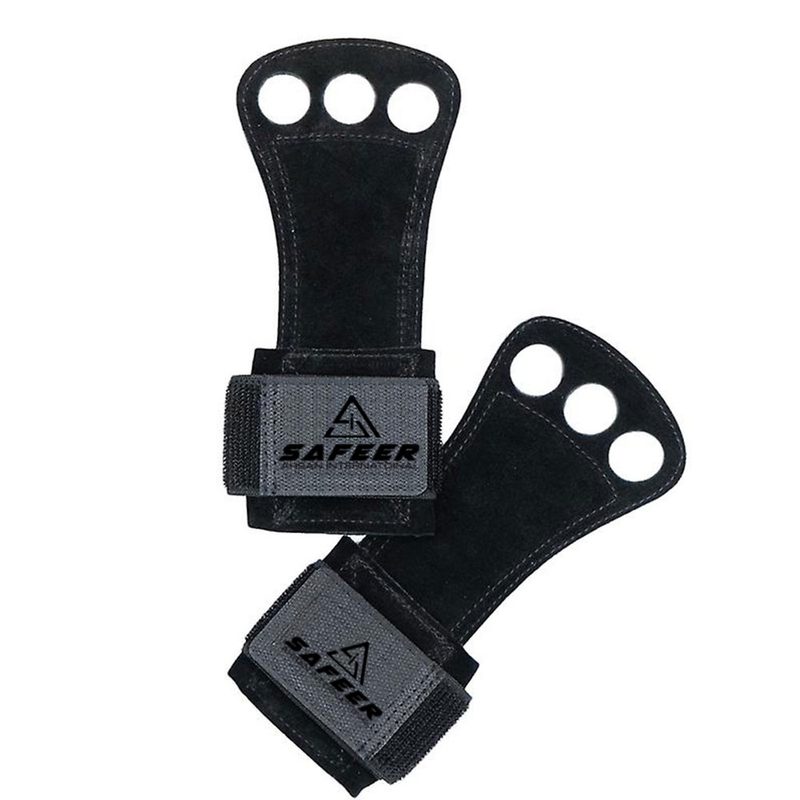
When selectingsustainable gymnastic grips, take a look at the materials, the stitching, the closure, fit, and overall design. The best pair of grips will feel comfortable and not restrict hand motion.
It is important to pick the grips you prefer depending on the way you train. For a recreational athlete, you may want an easier design, whereas athletes who are doing regularly high-volume bar work could require a more durable choice.
6. Weight Lifting Belts
A belt for lifting is typically employed during compound exercises that are heavy, like deadlifts and squats. Its primary function is to add support to the torso, while the lifter builds and maintains solid bracing.
The belt should not be considered a shortcut to a better shape. A good technique, proper loading, and proper breathing are vital.
Before you decide on a belt, take into consideration:
- Thickness and Width
- Closure system
- Material quality
- Overall fit
- The exercises you do the most often
The correct belt will feel comfortable while permitting you to brace and move freely.
7. Wrist Supports
Wrist supports are useful in pressing motions as well as front rack positions and other exercises in which wrists undergo repeated load. They can give a feeling of stability and ease, especially during intense sessions.
A quality wrist support should offer enough compression to ensure that you feel safe without putting too much pressure on the wrist. The fastening mechanism should permit easy adjustments to the size during exercise.
For those who are just starting, a moderate level of support is usually sufficient. For experienced lifters, it may be more organized support based on their style of training.
How to Choose the Right Lifting Accessories
The most effective equipment is not usually the pricier or most technological. They are the items that address a real requirement.
Begin by asking yourself some simple questions:
- Which exercises should I do the most frequently?
- Where do I feel the most discomfort or fatigue?
- Do I need greater grip, stability, or security?
- How often do I exercise?
- Do I train at home or in a gym, commercially owned, or both?
- What equipment do I actually require?
If you are experiencing grip fatigue that holds you back from pulling motions, straps or grip pads might be your first choice. If your hands are uncomfortable after long training workouts, gloves or gymnastic grips might be the best choice. If you do a lot of compound lifts, a belt might best suit your training needs.
Quality Matters More Than Quantity
A vast array of accessories doesn’t necessarily mean an ideal training environment. Some reliable products are more effective than a cabinet packed with things that are never used.
In assessing quality, be aware of:
- Material selection
- Stitching, reinforcement, and reinforcement
- Fastening systems
- Comfort during movement
- Fit and size choices
- Cleaning is easy
A Best weight lifting accessories manufacturershould concentrate on practical designs with consistent design, consistent construction, and products that satisfy the demands of everyday lifters. It is crucial to have high-quality products when equipment is used regularly under extreme conditions.
Choosing a Reliable USA Supplier
Buyers in the USA frequently seek suppliers who understand the demands of gyms, athletes, fitness brands, and customers. A reliable supplier must provide precise product information, consistent quality, helpful sizing guidelines, and responsive customer service.
When you are comparing aWeight lifting accessories manufacturer USA, be sure to consider if the company has products made to accommodate different styles of training. A company with a wide knowledge of lifting equipment could be better placed to cater to the demands of athletes, gyms, retailers, as well as fitness communities.
The aim isn’t just to discover a product that looks nice on the internet. You need a product that feels solid when it is most needed.
Building a Practical Gym Accessory Kit
It is not necessary to have every piece of equipment available. A small collection of items can satisfy the majority of training requirements.
A real-world setup might consist of:
- Straps for lifting to aid in heavy pulling exercises.
- Grip pads or gloves to ensure hand ease
- Ankle support to aid lower body work using cables
- Wrist support to assist with certain pressing movements
- A belt that can be lifted to help with more intense compound training
- Gymnastic grips designed for functional exercises
This arrangement allows you to move around but doesn’t create a gym bag that is too complicated.
Care and Maintenance Tips
Even top-quality accessories require the right care. Regular maintenance can increase the comfort of your device and prolong its useful lifespan.
After the training
- Let fabric items dry completely before storing them.
- Keep your equipment away from gym bags that are damp for prolonged periods of time.
- Clean surfaces in accordance with the instructions of the material
- Inspect straps, stitching, and closures frequently
- Replace damaged products before they lose their reliability.
Simple practices can help prevent odors, breakdown of materials, and unexpected problems during training.
Final Thoughts
The correct lifting accessories will aid in making weight training more comfortable as well as organized and reliable. You may require more grip or ankle protection, hand protection, wrist stability, or additional support for intense lifting; the ideal method is to select the right products that are based on your routine of training.
For USA lifters, high-performance fit, durability, and a practical design must always be a factor in the purchase choice. A trusted weight lifting accessories manufacturer USAthat is aware of these requirements can offer useful choices for experienced and novice gyms, athletes, lifters, and fitness companies.
As your training develops, your accessory needs may change too. Begin with products that can solve your most pressing issues and then discover how they can fit into your training routine, then expand from there. The objective is simple: Train with confidence, remain in good shape, and make every training session count.
Frequently Asked Questions
1. What are the best lifting accessories for weight training?
The most useful lifting accessories include lifting straps, ankle supports, gym gloves, grip pads, wrist supports, and weight lifting belts.
2. What accessories help improve grip during lifting?
Lifting straps, gym grip pads, and gymnastic grips can improve grip support and help reduce hand fatigue during demanding workouts.
3. Are lifting gloves good for weight training?
Yes. Quality lifting gloves can improve hand comfort, reduce friction, and provide a more secure feel during regular weight training.
4. How do I choose the right lifting accessories?
Choose accessories based on your exercises, training frequency, comfort needs, grip requirements, fit, and product durability.
5. Where can I buy quality weight lifting accessories?
Look for a reliable Best weight lifting accessories manufacturer that offers durable products, consistent quality, proper sizing, and options suited to your training needs.
