
Essential Lifting Accessories Every Weightlifter Should Have

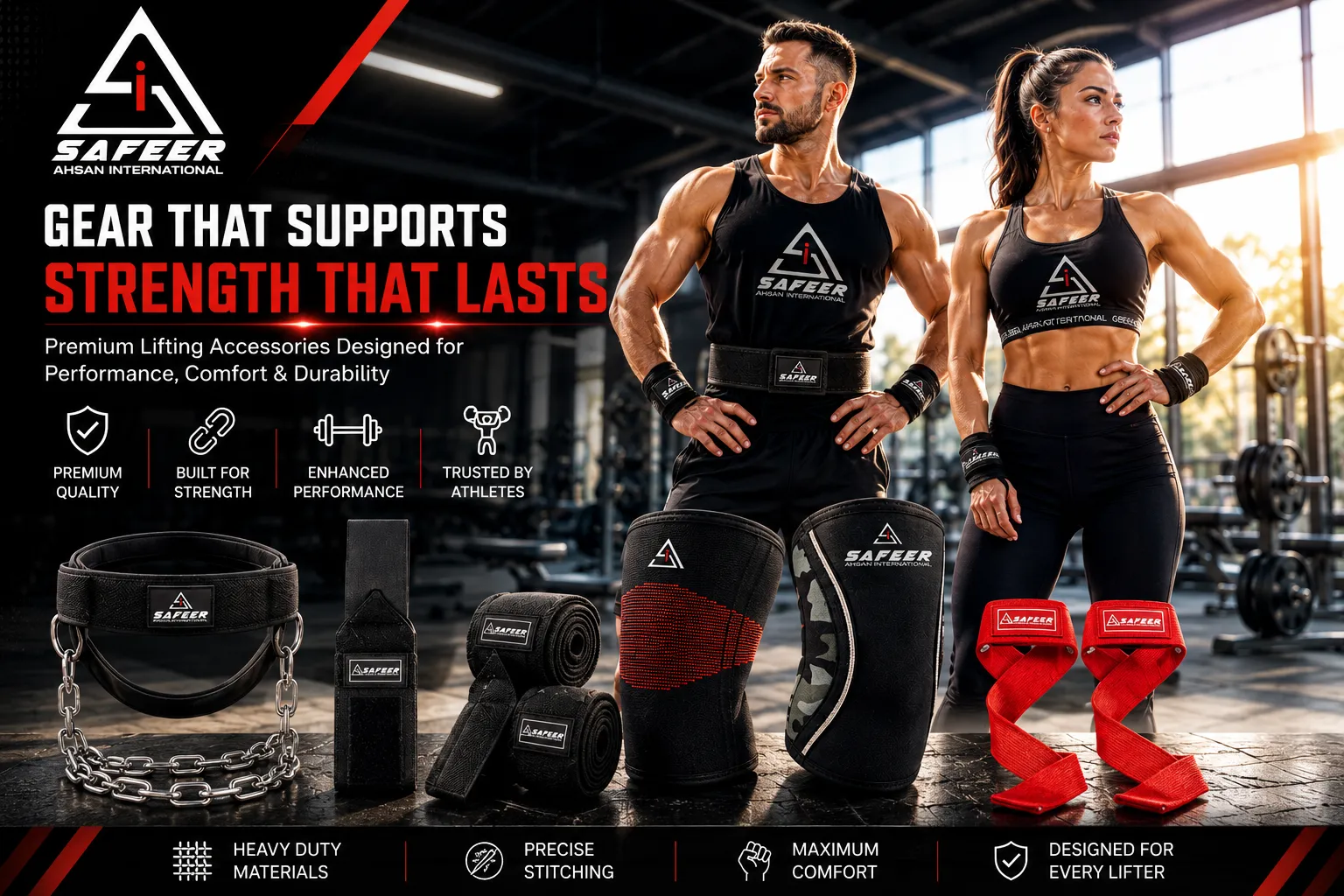
It’s not just about lifting heavier weights. It’s about building strength by using the right techniques, consistency, trust, and the proper equipment. No matter if you’re training for bodybuilding, powerlifting, functional fitness, or general strength, having the appropriate lifting equipment will make your workouts more enjoyable and effective.
The correct equipment will provide more grip for stability, support, and ease of use when training gets more intense. However, picking the right gym equipment shouldn’t be about purchasing everything that is available. The most effective way to go about it is to pick items that are matched to your style of training and objectives.
For weightlifters throughout the United States, accessories such as knee straps, wrist straps, head harnesses, knee support, and other support equipment are becoming commonplace additions to an adequately equipped gym bag.
In this article, we will look at the most important lifting equipment to consider and discuss how each can help create an efficient and well-organized training experience.
Why Lifting Accessories Are Important
A solid training program begins with a proper exercise plan and gradual training. Accessories can complement the foundations to help address specific issues that arise during intense workouts.
For instance, the back muscles could remain strong when you are doing a lot of pulling, but your grip is beginning to get tired. In a different scenario, your knees can get a boost from warming and compression during your training.
- The right accessory could help you:
- Improve comfort during demanding exercises
- Maintain a more secure grip
- Help specific areas of training during the course.
- Keep your focus on the exercise technique you are using.
- Repetitive movements can be more comfortable.
- Create an efficient and personal gym set-up.
The key is to utilize accessories to aid in training rather than using them to find shortcuts.
1. Lifting Straps for Heavy Pulling Exercises
Straps for lifting are among the most sought-after accessories for weightlifters. They are particularly beneficial in exercises where fatigue of the grip could be a problem.
Exercises like deadlifts and shrugs, rows of barbells, rack pulls, and other heavy machine exercises could put significant demands on your forearms and hands. If your grip begins to fall apart prior to the muscles you’re targeting having received sufficient training stimulation, straps may aid in maintaining a stronger connection to the equipment.
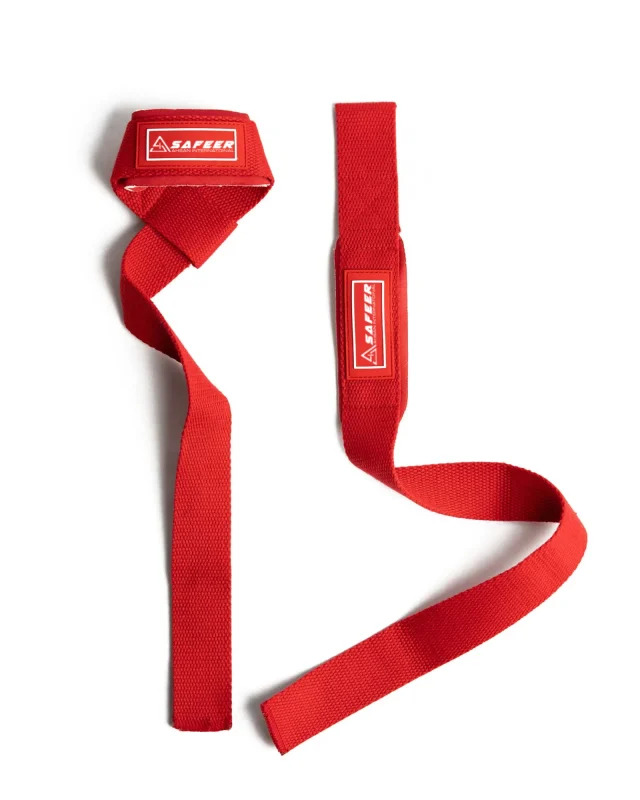
A good set of comfortable lifting straps must be provide an ensconced connection to the bar.
When selecting straps to lift, look for:
- Durable and strong material
- A comfortable wrist contact
- Dependable stitching
- The length of the strap that is suitable
- Simple wrapping and adjusting
The straps that lift you should not entirely substitute for grip training. In fact, many athletes utilize them in small amounts on heavier sets while still working on their grip strength.
2. Wrist Wraps for Lifting
Wrist wraps are a valuable training accessory for athletes who want added wrist support during pressing and strength exercises. They are commonly used by powerlifters, bodybuilders, and gym enthusiasts during demanding workouts.
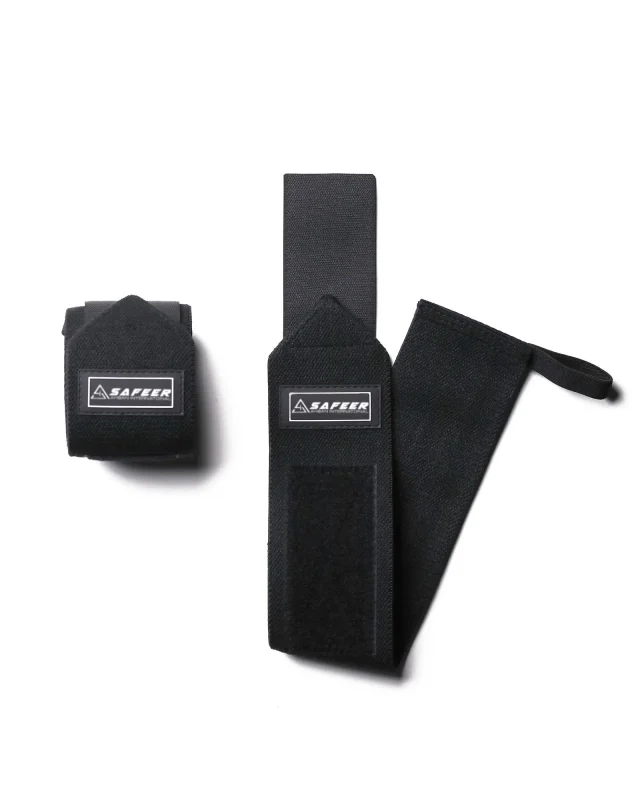
Wrist wraps for lifting can help provide a more secure and supported feeling around the wrist, especially during exercises such as bench presses, overhead presses, and other movements where the wrists are placed under load.
During heavy pressing exercises, maintaining a stable wrist position can help you stay focused on proper form and controlled movement. A well fitted wrist wrap can provide the support you need without unnecessarily restricting natural movement.
When choosing wrist wraps, look for:
• Comfortable and durable material
• Secure wrist fastening
• Strong stitching
• Suitable length and width
• Easy adjustment
Always begin by using the wraps during lighter sets to understand how they feel and how tightly they should be secured. Proper fitting and correct lifting technique are essential for getting the most from your wrist wraps.
3. Head Harness for Neck Training
Neck exercises are often left out in routine gym workouts. However, it is useful for athletes who wish to incorporate controlled neck strength into their training program.
A head harness can allow resistance to be incorporated into certain neck movements. It is a great option for athletes who play contact sports, strength training, or training programs in which neck development is a factor.
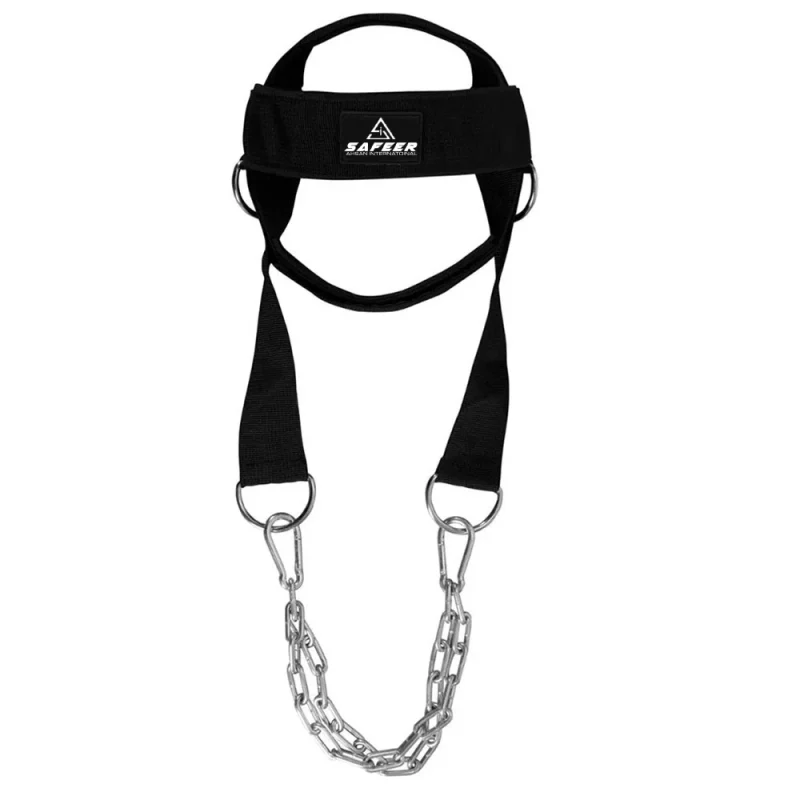
A protective head harnessmust be used with caution. The neck is a vulnerable region; therefore, extreme resistance and sudden movements are not recommended.
When selecting a head harness, take note of:
- Relaxed comfort for head and neck support
- Adjustable fit
- Strong attachment points
- Durable construction
- Secure connection for resistance
Begin with gentle resistance and controlled movement. The aim is gradual progress rather than a heavy weight lift.
4. Knee Sleeves for Powerlifting
Knee sleeves are commonly utilized by athletes who are strong, particularly those who do squats or other lower body exercises frequently.knee sleeves designed for powerlifting are able to give warmth and compression to the knees. This is something that many lifters will appreciate during their tough training sessions. They also offer a feeling of security during activities like squats, lunges, as well as leg press.
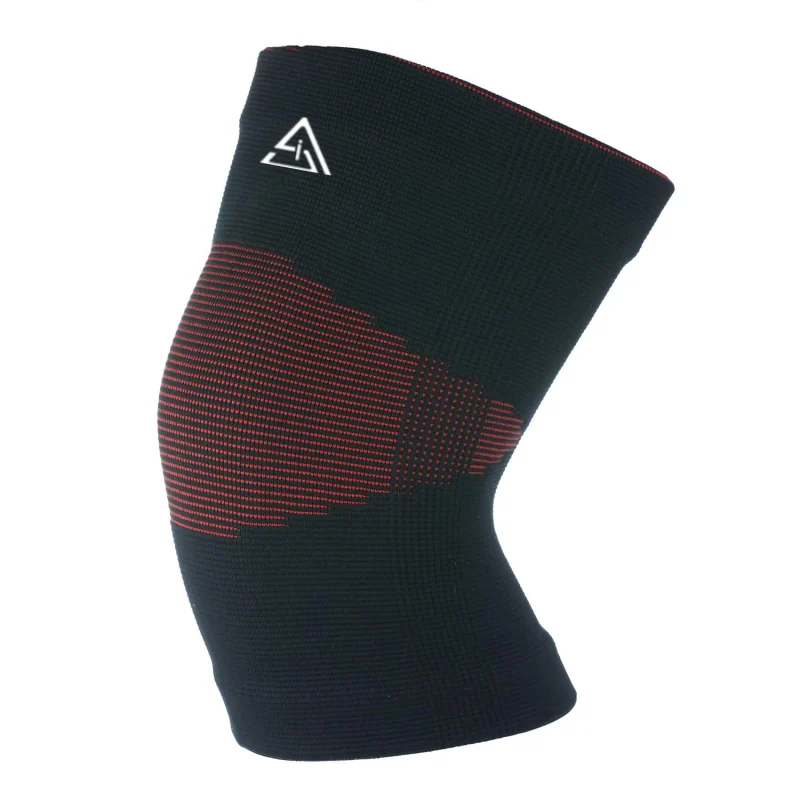
However, knee sleeves are not the only way to improve your technique or a properly planned training program. Your mobility, your movement recovery, and your exercise choice are still important.
When choosing knee sleeves, be aware of:
- Proper sizing
- Compression for comfort
- The thickness should be suitable
- Secure positioning
- Durable material
If you participate in powerlifting, make sure you check the equipment requirements for your particular federation prior to using sleeves during competition.
5. Knee Support for Walking and Everyday Activity
Knee support isn’t only for lifting weights. People also utilize supportive equipment in everyday activities like standing, walking, or light exercise.
The most effective knee supports for walking must provide the user with a comfortable fit without restricting natural motion.
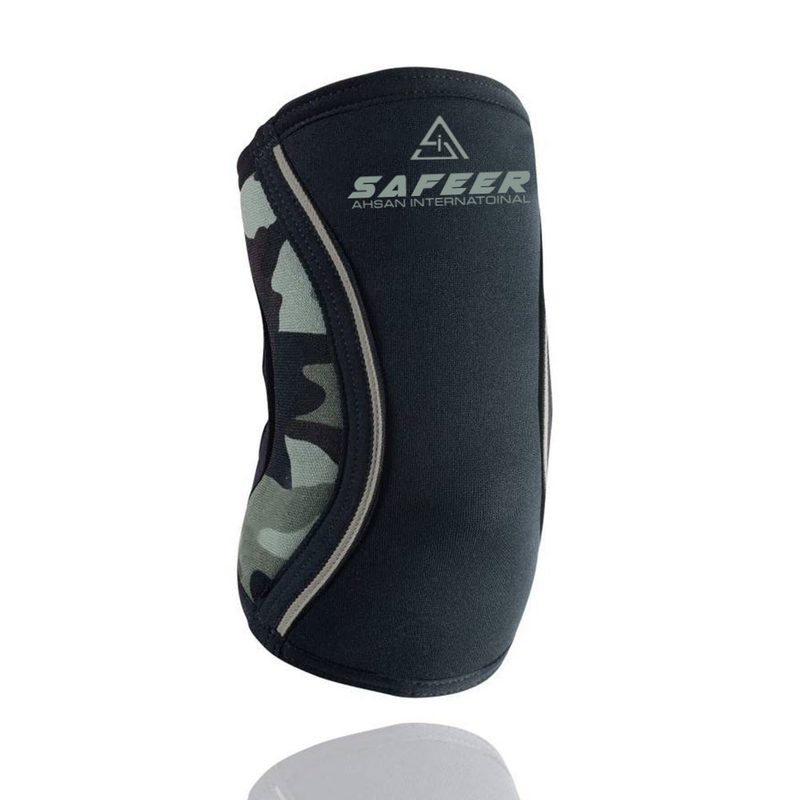
A good support can be appealing to those who require additional comfort in their daily activities. But any persistent swelling, pain, or injury must not be merely treated by using support equipment. A medical professional’s advice is needed when the symptoms persist or hinder normal activity.
If you are considering a knee support for everyday use, take into consideration:
- Comfortable fit
- Breathable construction
- Easy to adjust
- Secure positioning
- The freedom of movement
A good product should feel comfortable enough to perform the task you are planning to engage in.
How to Choose the Right Lifting Accessories
There isn’t a universal checklist of the equipment each weightlifter should have. The ideal equipment you choose depends on your goals for training and experience, your workouts, and your personal preferences.
Before you purchase an accessory, make sure you ask yourself the following questions:
- What exercise do I most often do?
- Do my fingers get exhausted prior to my target muscles?
- Do I require extra assistance for certain moves?
- Is the product comfortable to be used regularly?
- Does it fit properly?
- Are they made of sturdy materials?
For instance, someone who is focused on heavy deadlifts may prefer belts and straps, while someone who is focused on training for lower body weights may prefer knee sleeves.
The best gym equipment is personal. Pick the equipment based on what can actually improve your training experience.
What Makes a Good Lifting Accessory?
All fitness products aren’t constructed to the same standard. Because these items are constantly exposed to the elements of friction, movement, stretching, as well as regular use, quality of construction is important.
A reliable product should blend practical design, comfortable materials, and durable finishing.
When you are comparing lifting equipment, be sure to consider:
- Material quality
- The reinforcement is stitched, and the stitches are reinforced.
- Product fit
- Comfort during movement
- Durability
- Ease of use
- Overall design
For gyms, retail stores, distributors, and fitness brands, selecting a trustworthy weightlifting equipment manufacturer is crucial. The consistency of manufacturing standards will aid businesses in maintaining product quality across various accessory categories.
A reliable manufacturing partner must know the requirements of fitness equipment and supply equipment that is designed for continuous use.
Build a Practical Gym Bag
It is not necessary to pack your bag of gym equipment with dozens of items. A few items carefully selected will cover the majority of your training requirements.
A bag for strength-focused training might consist of:
Straps for lifting
- Straps for the wrist to lift
- Weightlifting belt
- Knee sleeves
- Grip pads
- Weightlifting gloves
For athletes who are involved in neck training, they might also consider an appropriate head harness, while those who require more knee support during everyday activities could consider a knee support item.
The objective is straightforward. Keep the items you utilize.
Do Not Depend on Accessories Alone
Lifting equipment can aid in the training process; however they can’t replace the good habits you’ve developed.
Your base should always incorporate an appropriate technique, an appropriate progression, adequate recovery, and a suitable exercise selection.
For instance, straps could assist with grip during strenuous pulling exercises; however, you must continue to work on your grip. Knee sleeves can provide warmth and compression; however, they don’t correct bad squat techniques.
Utilize accessories in a smart way:
- Make sure you know how to move properly.
- Begin by tackling a moderate amount of resistance.
- Then increase the amount of training you do gradually.
- Introduce accessories only when they have a clear purpose.
- Verify the fit prior to any heavy use.
- Repair worn or damaged equipment.
This allows your equipment to become valuable parts of your learning, rather than unnecessary dependencies.
Choosing a Manufacturing Partner for Fitness Accessories
If you’re a retail store or trainer, distributor, or fitness brand that is sourcing items specifically for the American market, quality of manufacturing is a must to be considered.
A pioneer in weight lifting accessories manufacturer in USA is able to stand out with its dependable product design, efficient construction that is consistent in production, and the demands of today’s strong athletes.
When you are evaluating a manufacturing partner, take into consideration:
- Manufacturing expertise
- Product assortment
- Material selection
- Quality Control Processes
- Customization capabilities
- Production coherence
- Service and communication
A solid supplier relationship can assist businesses in creating an established product line as well as provide customers with equipment designed specifically for training situations.
Final Thoughts
The proper lifting equipment can help provide comfort, support, and utility to a designed strength training program. Straps for lifting can help when performing intense pulling exercises. Wrist straps offer an encapsulated connection to the bar, and knee sleeves provide warmth and compression for lower body exercises.
Head harnesses can be helpful for controlled neck exercises, as well as grip pads and gloves, which can enhance hand comfort. Weightlifting belts could also find an important place in the training practices of skilled lifters who know the correct technique and bracing.
The most important thing to remember is to select the right equipment based on your specific needs rather than simply following the latest trends.
For both fitness companies alike, high-quality performance, comfort, durability, and a proper fit must be at the heart of each purchase.
With the proper equipment and an organized approach to training, the equipment in your gym will become more than just a set of items. It could be a useful support system that allows you to build confidence in your training and keep your eyes on your long-term strength goals.
Frequently Asked Questions
1. What are the essential lifting accessories?
Lifting straps, wrist straps, knee sleeves, weightlifting belts, gloves, grip pads, and head harnesses are popular choices for different training needs.
2. Are lifting straps useful for weightlifting?
Yes. Lifting straps can improve grip security during heavy pulling exercises such as deadlifts, rows, and shrugs.
3. What are knee sleeves used for?
Knee sleeves provide compression and warmth, making them a popular choice for squats and other lower body exercises.
4. How can I choose quality lifting accessories?
Look for durable materials, comfortable fitting, strong stitching, and reliable construction from a reliable weight lifting accessories manufacturer.
5. Are lifting accessories suitable for beginners?
Yes, when used correctly. Beginners should prioritize proper technique and use accessories to complement their training.
