
How a Weight Lifting Belt Improves Core Stability During Heavy Lifts

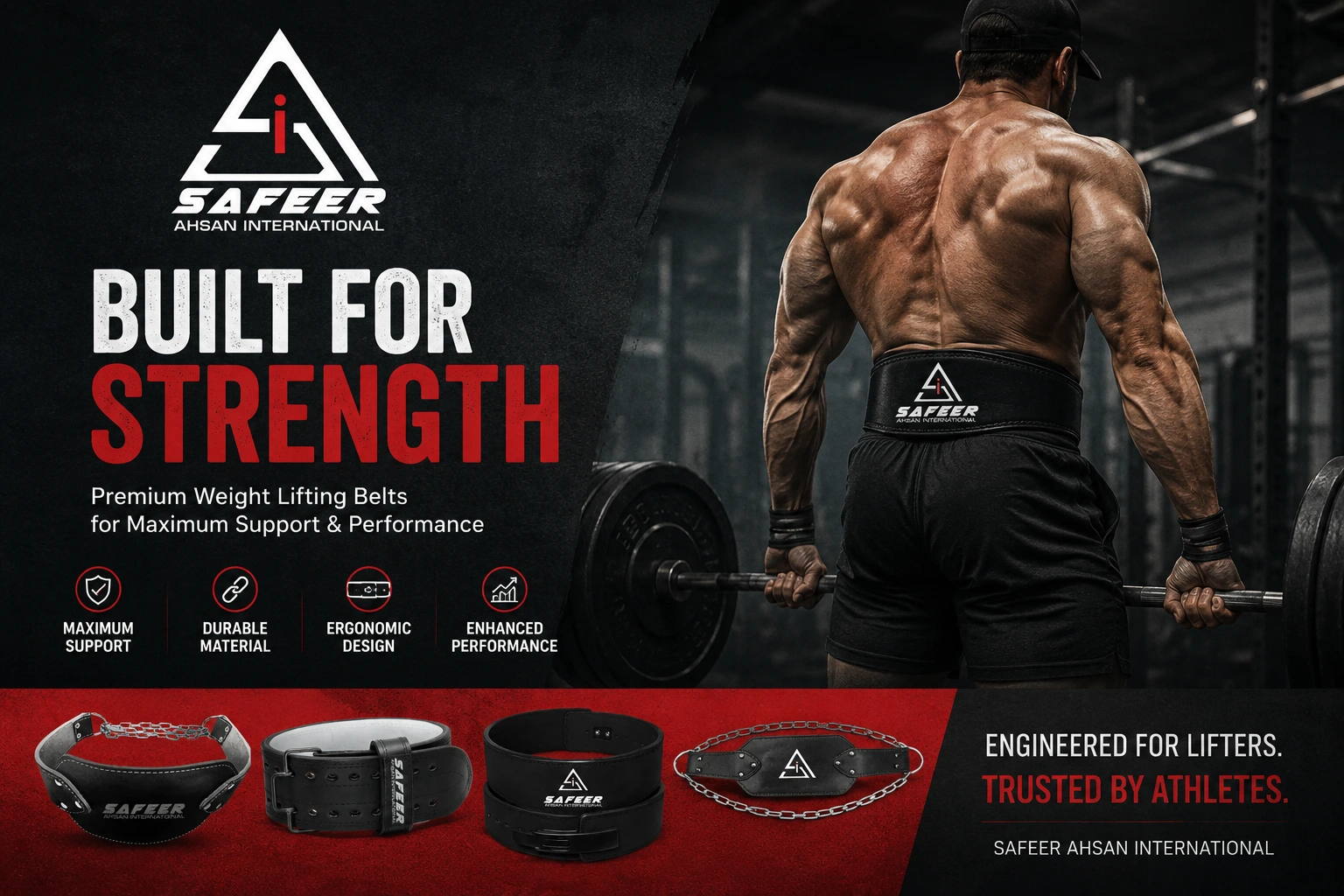
Training for strength is more than just lifting heavier weights. Each successful lift relies on a proper technique, controlled movements, and a solid base. If you’re squatting, deadlifting, or pressing large loads, maintaining your spinal stability is among the most critical factors for both safety and performance.Many athletes with experience rely on the weight lifting belts to complete demanding compound exercises. There are many misconceptions about the purpose of a belt. Many people believe that belts do everything for your core, and others believe that it is necessary to wear them during each exercise. Truth is somewhere in between.
When used properly, a belt can be an excellent training tool, helping those who have experience in lifting to create greater abdominal pressure, keep the correct posture, and increase lifting efficiency, without replacing the natural strength of the core.
“Strength is built through consistency, but performance is protected by proper technique.”
Understanding Core Stability During Heavy Lifting
The body’s core stability is its ability to hold a stable and controlled posture while restraining any unwanted movements. The muscles that are responsible for this are the abdominal wall, lower back, diaphragm, pelvic floor, and deep spinal stabilizers.The muscles in these groups work together to support the spine in the most strenuous movements.When doing exercises such as deadlifts or squats, the spine is subject to significant shear and compressive forces. If the core isn’t able to properly stabilise the spine, the lifting mechanics begin to degrade. This can lead to poor posture and energy loss. It also puts excessive strain on connective tissues and joints.
A properly fitted weight lifting belt helps our body’s naturally bracing process, rather than reversing it. This results in improved stability, which allows lifters to lift heavier loads more confidently.
What Does a Weight Lifting Belt Actually Do
One of the most popular misconceptions regarding fitness is that a belt for lifting will support your back on its own. The truth is that the belt functions as an abdominal muscle to press against.Before beginning a powerful exercise, athletes should take a deep breath and put their weight on their core. This causes intra-abdominal pressure that aids in stabilizing the spine. The belt enhances the effectiveness of this brace by giving resistance to the midsection.Instead of weakening the core, a belt helps to build more robust and effective bracing if used correctly.
This increased pressure distribution aids in keeping the spine in a neutral position throughout movement. It also reduces excessive spinal motion when performing heavy lifting.
How a Weight Lifting Belt Improves Core Stability
The most important benefit of using belts is the increased spinal support due to increased intra-abdominal pressure.This is how it can contribute to improved lifting performance.
Better Bracing Technique
The belt provides your abdominal muscles with something sturdy to work on during your brace.This increases the tension in the torso and provides the foundation to be more stable before the lift starts.
Increased Force Transfer
When your core stays solid, the power generated by the hips and legs can be efficiently transferred to the barbell.A lesser amount of energy is wasted through excessive torso movements.
Improved Spinal Position
Maintaining a neutral spine is crucial during heavy compound lifts.A properly braced and supported core by a belt reduces the excessive rounding or excessive extension in the lower back.
Enhanced Lifting Confidence
Many experienced lifters say they feel more secure during their maximum effort efforts.The mere fact that you feel confident does not enhance performance, but feeling secure lets athletes concentrate on the correct technique, instead of worrying about losing control.
Which Exercises Benefit the Most
A lifting belt is useful during exercises that put significant strain on the spine.
This typically includes:
- Barbell back squats
- Front Squats
- Conventional deadlifts
- Sumo deadlifts
- Overhead presses
- Strongman movements
- Olympic lifting variations
- Heavy rack pulls
Isolation exercises, as well as lighter activities, generally don’t require a belt since the load on the spine is much less.
Choosing Between Leather and Other Materials
Each belt isn’t constructed the same way. The quality of material is directly correlated with the durability, comfort, and long-term performance.Many serious lifters favorleather weight lifting belts due to their extraordinary rigidity and hold their structure throughout many years of intense training.
When compared to other materials, belts made of leather typically come with:
- Greater long-term durability
- Excellent support under maximum loads
- More resistance to stretching
- Professional appearance
- Dependable performance for decades of use
For athletes who train regularly, it is worth investing in a top-quality leather belt for weight lifting, which is often worthwhile because of its durability and its dependable support.
Features to Look for Before Buying
The selection of the best weight lifting beltis dependent on your training goals, body type, and the way you lift.
Before purchasing, take note of the following aspects.
Proper Width
The majority of powerlifting belts keep an even width across every inch of the belt, ensuring equally strong support even during heavy lifting.
Thickness
The thicker belts usually offer more rigidity, whereas thinner belts can provide more ease of use and flexibility.
Secure Buckle System
Lever closures and Prong buckles both offer great support. The right choice will depend on your personal preferences and the lifting frequency.
Premium Leather Construction
Leather of the highest quality improves durability while providing constant support through many years of rigorous training.
Comfortable Fit
A properly fitted belt will feel comfortable and not restrict breathing or make you uncomfortable when moving.
Common Mistakes Lifters Make
Even professional athletes can occasionally abuse belts to lift.
Avoid these common blunders.
- Belts that are too loose
- Wearing the belt at all times during exercise
- Not focusing on proper breathing techniques
- The belt is the only way to go instead of learning how to brace
- Making the wrong choice when it comes to belt size
- Belts that are not high enough or low enough around the body
Belts are a performance aid, not a replacement for the correct lifting mechanics.
Does Wearing a Belt Make Your Core Weaker
This issue has been a subject of debate for many years.The latest research in sports science suggests that wearing a waist belt during heavy lifting of compound exercises does not instantly weaken the core when utilized in the right way.The abdominal muscles continue to exert significant force when you brace. The distinction lies in the fact that the belt will allow these muscles to generate more internal abdominal pressure.Athletes who keep training their core with exercises like planks, carrying, and rotational exercises tend to maintain their core strength, despite belt usage.
The key to success is balance.
Make use of a belt for the most strenuous workouts while you continue to work on your natural stability with no belt for lighter training sessions.
“The strongest athletes master technique before they chase heavier numbers.”
When Should Beginners Use a Belt
Many lifters who are new to the sport think that purchasing belts is the first investment they make.
In actuality, novices gain more benefit from learning the correct movements before they can use other equipment.
The first step for new athletes is to develop:
- Correct squat mechanics
- Correct deadlift positioning
- Breathing controlled
- A method of bracing that is effective
- Form of lifting that is consistent
When heavier loads in training begin increasing spinal stability, the addition of the lifting belt can be useful.
Proper Way to Wear a Weight Lifting Belt
The correct positioning can make a huge difference.The belt should fit comfortably at the waist, where it enables the abdominal muscles to expand uniformly in all directions.
Before starting the exercise:
- Breathe deeply in your stomach.
- Keep your core in place.
- Your abdominal muscles should be pushed into the belt.
- Continue to maintain that pressure throughout the entire movement.
- Inhale after having completed the toughest part of the exercise.
This technique can provide more benefits than just tightening the belt as tightly as you can.
The Role of Equipment Quality
Performance equipment must provide the sameness, durability and long-term reliability.
If it’s fitness retailers, commercial gyms, as well as private-label brands collaborating with a reliable fitness gear manufacturer, it will ensure that the products are suitable for the requirements of demanding fitness environments.
Manufacturing standards of high quality help:
- Stiff stitching
- Durable leather construction
- Consistent sizing
- Convenient finishes
- Longer product life
- Performance that is reliable even after repeated usage
Professional buyers prefer to work with a top fitness equipment manufacturer that is focused on control of quality, the selection of materials, and reliable production standards for the global market.
How Proper Core Stability Improves Performance
Stability improvements to the core can provide advantages that go beyond lifting heavier weights.
Athletes are often faced with:
- Better posture during compound exercises
- More efficient force production
- Greater lifting consistency
- Better control of movement
- Greater confidence when weighing high loads
- Energy loss is reduced during maximum efforts
The gains are cumulative over time and lead to a stronger overall development.
Training Smart Is More Important Than Training Heavy
A majority of lifters concentrate on increasing the number of pounds on the bar.
The long-term success is achieved by the balance of overloading with recovery techniques, equipment, and technique choice.A belt for lifting cannot account for bad mechanics, inadequate mobility, or inconsistent or messy programming.
In fact, this should be a complement to an already solid foundation for training that is built by disciplined training and the right coaching.
“Success in strength training comes from mastering the basics before pursuing the extraordinary.”
Final Thoughts
A belt that lifts weights is not a quick way to strength. It is a specific training device that is designed to enhance the stability of your core, increase the pressure on the abdomen, and ensure proper spinal alignment in the midst of intense lifting.When paired with the correct method, well-structured programming, and consistent training, a quality belt can allow experienced athletes to complete compound exercises of a high intensity with greater efficiency and confidence.When you’re searching for the most efficient weightlifting belt for competition lifting, or you are looking to purchase top-quality leather belts for weight lifting for long-term longevity, choosing equipment that is built according to the highest standards of manufacturing is a crucial aspect of improving your training performance. Selecting products from a reputable, reliable fitness equipment producer , as well as a well-known fitness gear manufacturer, assures you of high-quality and reliable support for athletes over the years of rigorous exercise.
The ultimate goal is to make steady progress accomplished through the combination of disciplined techniques with intelligent programming and top-quality equipment that will help you to train safely and reach your potential to the fullest.
Frequently Asked Questions ( FAQs)
1. What is the purpose of a weight lifting belt?
A weight lifting belt helps increase core stability by improving intra abdominal pressure, allowing better spinal support and safer performance during heavy compound lifts.
2. When should I wear a weight lifting belt?
A lifting belt is best used during heavy exercises such as squats, deadlifts, overhead presses, and other compound movements where maximum core stability is required.
3. Do weight lifting belts weaken your core muscles?
No. When used correctly, a weight lifting belt supports proper bracing and does not replace or weaken your core muscles. Regular core training should still be part of your routine.
4. Why choose a leather weight lifting belt?
A leather weight lifting belt offers superior durability, consistent support, and long lasting performance, making it an excellent choice for serious strength training.
5. How do I choose the best weight lifting belt?
Look for the best weight lifting belt by considering its fit, width, thickness, buckle system, material quality, and your specific training goals.
