
Do Weight Lifting Belts Really Help? Benefits, Uses, Types, and Buying Tips

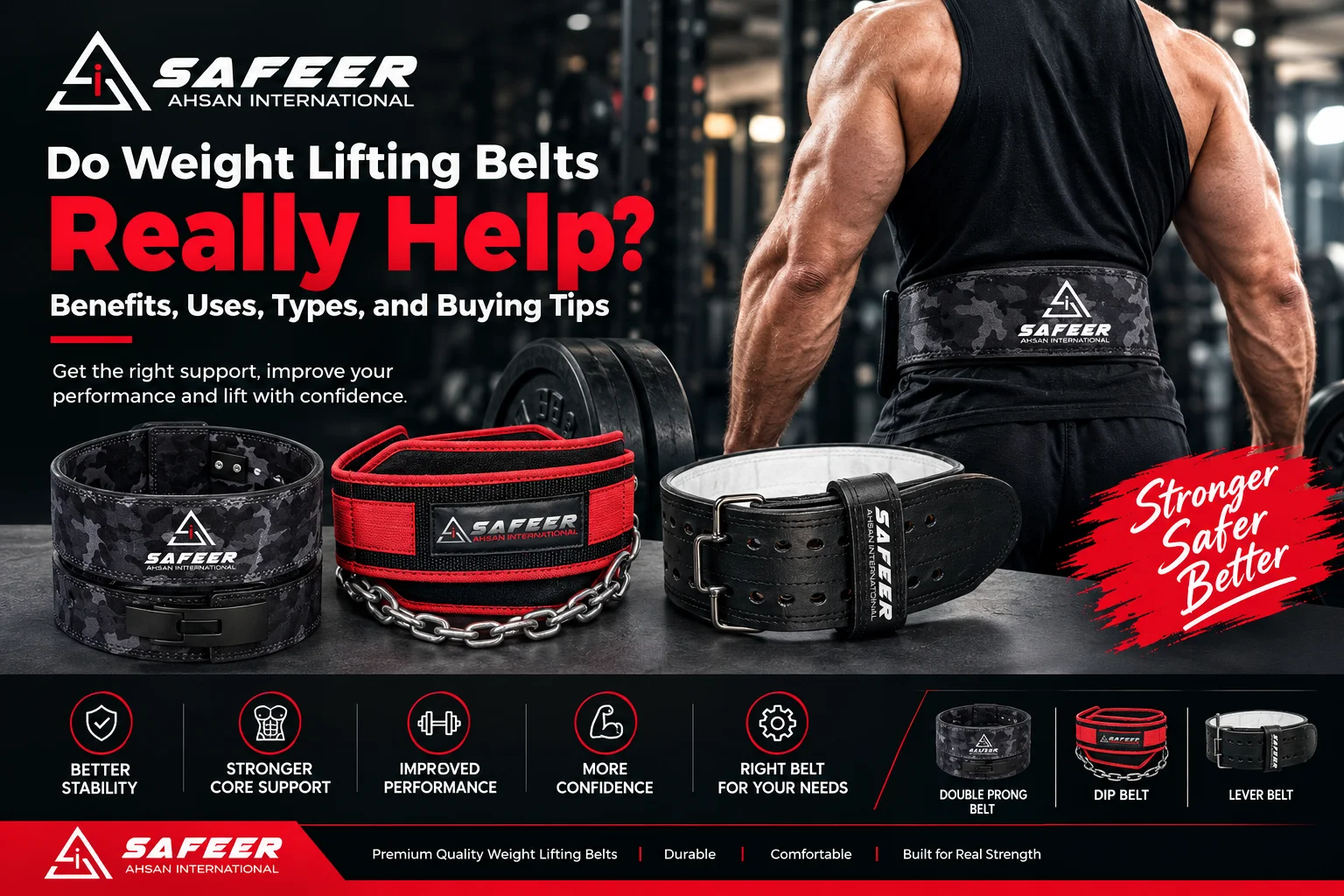
Training with weights is an effective method to build muscle, increase physical performance and gain confidence and self-confidence at the fitness center. When training gets more difficult and demanding, many lifters start seeking equipment that will offer additional support during difficult exercises. The most widely utilized equipment is the weightlifting belt.
However, can weightlifting belts really aid? They can be effective if they are picked appropriately and used in conjunction with effective lifting techniques. Belts can help support the stability of the core and assist lifters to remain in a better position in heavy motions. But, it must be used in conjunction with proper training instead of replacing proper posture or the natural development of strength.
For powerlifters, athletes, bodybuilders and gym-goers across the USA knowing the main purpose of lifting belts will help in selecting the right one significantly easier. The range of designs spans from the traditional design for prongs to contemporary levers There are many choices available to meet various training preferences.
What Is a Weight Lifting Belt?
A belt for weightlifting is a helpful accessory that is worn at the waist for exercise that put significant strain on the lower and core body. Its primary function is to offer support externally as well as assist the lifter in creating more abdominal tension.
In a strenuous squat or deadlift the abdominal muscles and back, hips and legs cooperate to keep you stable. A properly-fitted belt provides the abdominal muscles a firm base to rest against, which could aid the lifter in creating more tension throughout the exercise.
Belts cannot do the lifting for you. It is not a substitute for an appropriate breathing technique and mobility. It does not replace strength, flexibility, or technique. Instead, it serves as an additional level of support as training gets more challenging.
Do Weightlifting Belts Really Help?
Belts that lift weights can assist those who are experienced in lifting during intense exercise routines. The most significant benefit is usually increased stability during movements which require bracing.
Belts can be helpful in exercises, such as
- Squats
- Deadlifts
- Heavy presses
- Strongman movements
- Olympic lifting exercises
- Other demanding resistance exercises
But, belts isn’t necessary for all exercises or any training session. Many lifters prefer doing warm-ups and sets with the use of a belt prior to using one to perform heavier sets.
The trick is learning to properly brace before relying on the apparatus. Belts should help you improve your existing techniques, not be a replacement for it.
Benefits of Using a Weight Lifting Belt
1. Supports Core Stability
The stability of your core is vital in the face of heavy resistance. Your abdominal muscles and the surrounding muscles should be in a constant state of engagement to keep your torso in control throughout the exercise.
A belt can give you an object that is firm to hold against, which can help you to increase your awareness and tension in your midsection.
2. Provides Additional Support During Heavy Training
The weight of heavy lifting puts a lot to the physique. As resistance increases, sustaining an upright torso may become more challenging.
A good belt can offer extra support around the waist, especially during intense compound exercises.
This is especially beneficial for those who frequently lift heavier weights and require their position in a solid manner at the start of the exercise until the end of the repetition.
3. Can Improve Lifting Confidence
The importance of confidence is in the strength-training process. When you are preparing for a big lift, it requires a lot of concentration, preparation and faith in your ability.
A well-fitted belt may give a sense of security.This can make some athletes feel more prepared for difficult workouts.Naturally, confidence must be derived from a thorough preparation and not just equipment.
4. Helps Develop Better Bracing Awareness
A lesser-known benefit of having belts is the feedback it offers.If you place your abdominal muscles with the belt you will get more conscious of how your core functioning. This will help you realize the difference between just pressing your stomach to create whole-body tension.
This awareness will be valuable when you begin to progress towards harder strength workouts.
5. Supports Progressive Strength Training
Progressive training means gradual increase in the demands put upon your body. As your fitness improves it is possible to eventually reach the weights at which additional support is beneficial.
A reliable belt could become an integral part of your equipment set-up when you begin to improve your training. It’s particularly beneficial for athletes who regularly exercise in a heavy, compound manner.
When Should You Wear a Weight Lifting Belt?
There is no rule of thumb which says that all lifters must wear a belt to the same weight. Your decision is contingent on your experience in training and exercise preferences, your individual goals, and your comfort.
A belt is worth considering if:
- You are doing the most strenuous compound movements.
- Your training involves progressive loading.
- You know the correct bracing.
- You want additional support during demanding sets.
- You train regularly for strength or strength or.
Beginning students should focus on the correct technique before using equipment that is supportive.
Types of Weight Lifting Belts
Different belt designs are offered due to the fact that different lifters require different types of belts. Knowing the differences will assist you in choosing a belt that is suitable for your needs.
Heavy Duty Double Prong Belt
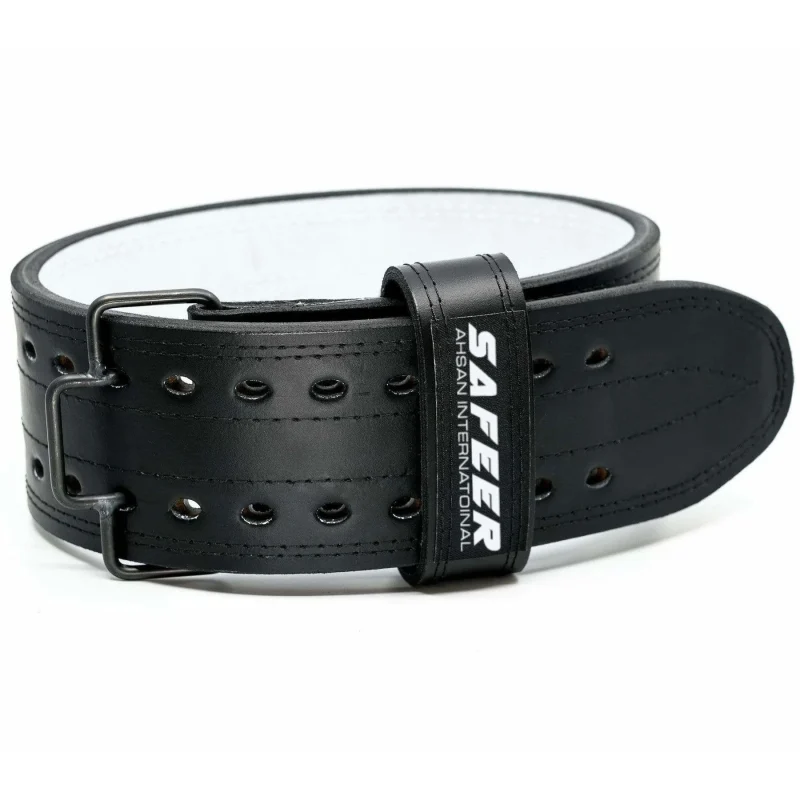
Anhigh-end double-prong beltutilizes two prongs made of metal to ensure the belt is secured around the waist. This classic design is popular for those who want the security of a solid and durable fastening method.
The structure is typically designed to be used for intense strength training. When choosing this type of construction be sure to look at the materials the stitching, buckle quality thickness, as well as the the available sizes.
Good design should be comfortable without making movement uncomfortable.
Double Prong Belt
AnDouble-prong belt has two prongs for fastening instead of just one. The belt has the traditional look while offering an effective method for making it tighter around the waist.
A lot of experienced lifters love this design due to its simple construction and dependable fitting.
When you purchase a belt, think about how well the buckle is constructed and its stitching. It should also have enough adjustment so that it can fit you comfortably.
Lever Belt
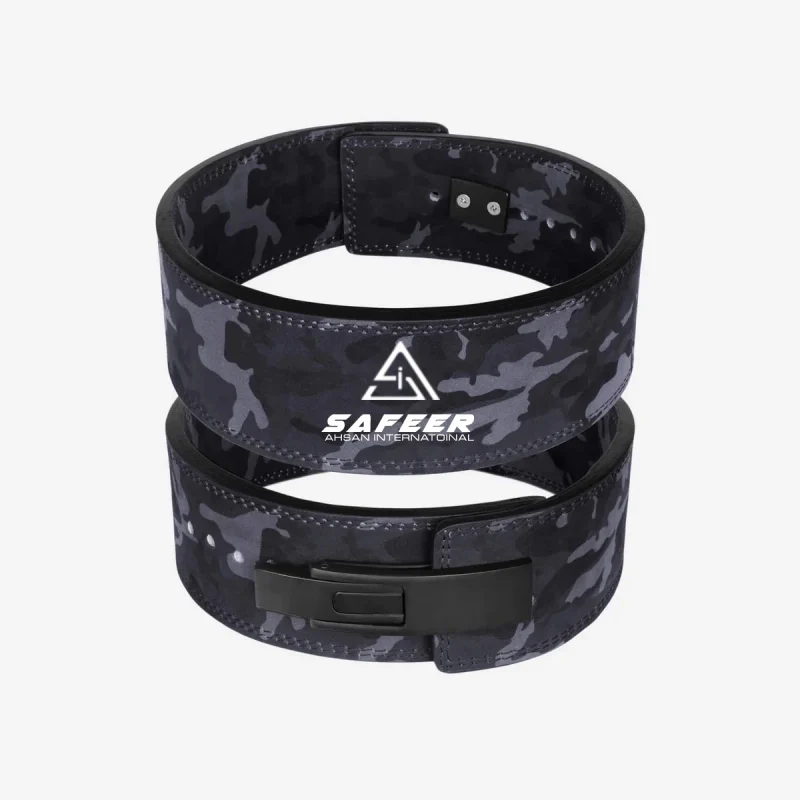
Thelever beltsis a type of belt that uses the lever mechanism rather than conventional prongs. This enables the user to fasten the belt and then remove it without adjusting it.
This design is attractive for athletes who appreciate the convenience of training sessions that are intense.
When you are considering purchasing a lever be sure to check if the lever is strong and if the belt has an adjustable option. A sturdy mechanism as well as a the right fit are crucial.
Dip Belt
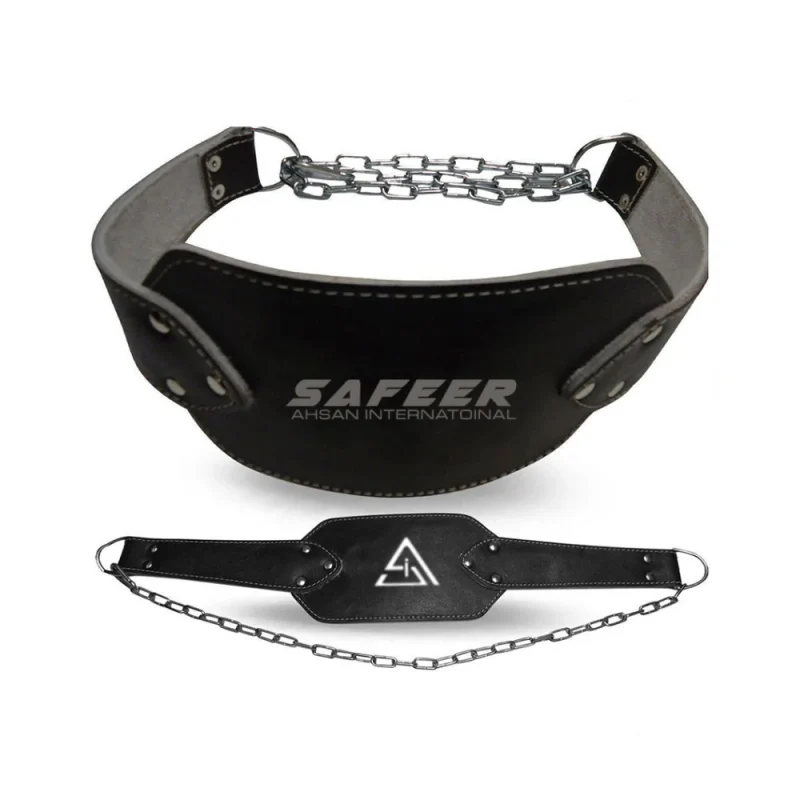
Andip belt is designed to serve purposes that are different from the norm. Instead of being used to support the waist during barbells, it’s often used to add strength to exercises that require body weight.
A dip belt could be beneficial for certain movements, like
- Dips with weighted weights
- Weighted pullups
- Progressive bodyweight exercises
- Calisthenics with a focus on strength
It usually comprises a chain or attachment system that permits an additional weight to be attached.
Weighted Belt
A belt with weights was designed in order to give resistance to specific exercises. It is a great option for athletes looking to make more challenging the bodyweight exercises while retaining the natural range of movement.
The best choice is based on the kind of workout you do as well as the level of strength you wish to build.
How to Choose the Right Weight Lifting Belt
The purchase of a belt for lifting should include more than picking the first one that appears solid. Many factors affect the comfort, durability, and performance.
Consider the Material
The material is a factor in how a belt is felt and how it performs in frequent use. It is usually chosen for its strength and durability and synthetic materials provide flexibility and lighter construction.
Take note of your training schedule and the amount of support you would like before you make a choice.
Check the Thickness
The thickness of the belt can impact how flexible or rigid the belt will feel.
A more robust design could provide more stability for intense training, whereas a lighter design may be more flexible when moving.
There isn’t a single thickness that works for every person. Your personal style of training should inform the selection.
Pay Attention to Width
A belt should offer adequate support without limiting your movement.
The width should be at ease around your waist and shouldn’t interfere with your normal lifting posture.
Examine the Fastening System.
The mechanism used to fasten is an important factor to take into consideration.
You may prefer:
- Traditional prong system
- A double-prong belt
- The lever mechanism
Each design offers a unique experience. Think about how often you change your belt, and how fast you’d like to wear it or take it off. it.
Choose the Correct Size
The correct size is crucial. The belt you wear loose will not give you the amount of support you require If it is overly tight may be uncomfortable.
Always refer to the sizing chart of the manufacturer and take your measurements in accordance with the directions before buying.
Common Mistakes Lifters Should Avoid
A belt for lifting is a great tool However, improper use could lower its worth. Beware of these frequent mistakes.
Wearing a Belt for Everything
There are not all exercises that require support for the waist. A belt for every exercise could be ineffective.
It’s a good idea to keep the belt in reserve for sets and exercises where you will truly benefit from the additional assistance.
Ignoring Technique
A belt will not help correct poor lifting technique. Correct breathing patterns, proper movements and bracing, mobility and a controlled progression are essential.
Equipment should encourage good habits and not conceal technical issues.
Choosing the Cheapest Option
The cost is important, but it shouldn’t be the only factor to consider. Belts with low cost could not offer the durability or construction quality needed for regular intense training.
Examine the fabrics and stitching techniques, hardware for fastening as well as sizing and the overall design before making a final decision.
Selecting the Wrong Size
A wrongly-sized belt could cause discomfort and poor performance. Always take your measurements with care and make sure you compare your measurements with the recommendations of the manufacturer.
Why Manufacturing Quality Matters
A lifting belt may experience massive pressure when it is used for training sessions. This is why the quality of the construction is important.
Sporting athletes who require reliable equipment are able to look into products from reputable manufacturers of weightlifting belts in the USA that are aware of the demands of American athletes and fitness athletes.
In comparing brands, take into account the factors like
- Material quality
- Stitching to increase the strength
- Buckle construction
- Product congruity
- Size availability
- Comfort
- Overall durability
A company with a firm dedication to quality can make sure that the belt is fit for continuous use instead of occasionally used.
How to Find the Best Manufacturer
The choice of the best manufacturer is as crucial as selecting the correct belt. Quality of products can vary greatly between different suppliers.
If you are looking for the top weightlifting belt manufacturer take into consideration more than the appearance of the product. Choose a firm that is focused on the reliability of its manufacturing, practical design with consistent quality, and the requirements of fitness enthusiasts with a serious commitment.
A reputable manufacturer must provide precise product information and sizing instructions. Customers must be able to know the materials utilized as well as what the process of securing a belt and what type of instruction it is intended to be used for.
This makes the purchasing process simpler and helps customers choose products that are compatible with their requirements for training.
Are Weight Lifting Belts Necessary?
It is not necessary to wear a belt. isn’t necessary for everyone who competes.
Many people can build up their strength and enhance their lifting abilities without a belt. However, some lifters prefer to wear a belt once their training gets more advanced or they begin to work with larger loads.
The decision you make should be based on your personal training objectives and personal requirements.
If you’re just beginning to learn about fitness, invest time establishing the proper technique and understanding how to naturally brace your core. After you’ve established an enduring foundation then you can determine if the belt will add benefits to your workouts.
Final Thoughts
Belts for weightlifting are useful training tools when properly used. They can offer additional assistance, help in implementing bracing effectively to improve stability, and help experienced lifters gain confidence in challenging exercises.
Different styles are offered for various purposes. A double-prong belt made of heavy-duty will suit those who prefer traditional support while the leash belt allows for fast fastening and a simple adjustment. The drop belt or the belt that is weighted are more suitable for providing resistance to exercises using body weight.
The most important thing to consider isn’t just owning belts, but knowing what to do with it and when to use it. Proper bracing, a good technique and training techniques, as well as recuperation, and appropriate equipment must work in tandem.
For fitness and sports enthusiasts in the USA selecting a sturdy belt from one of the reputable weightlifting belt makers within the USA is the best option to build an effective training system.
The best belt is comfortable, fits your personal training preferences, offers the necessary support and lets you concentrate on executing each exercise in a controlled and confident manner.
Frequently Asked Questions
1. Do weight lifting belts really help during heavy lifts?
Yes, weight lifting belts can help improve core stability and support proper bracing during demanding exercises such as squats and deadlifts. They are most useful when combined with correct lifting technique and progressive strength training.
2. When should I start using a weight lifting belt?
You may consider using a weight lifting belt when your training includes heavier compound movements and you already understand proper core bracing. Beginners should first focus on learning correct technique and developing natural core strength.
3. What is the difference between a double prong belt and a lever belt?
A double prong belt uses two metal prongs for a traditional and secure fit, while a lever belt uses a quick fastening mechanism that allows faster tightening and removal. The right choice depends on your comfort and training preferences.
4. Is a heavy duty double prong belt good for strength training?
A heavy duty double prong belt can be a suitable option for demanding strength workouts because of its firm construction and secure fastening. Buyers should also consider material quality, thickness, stitching, sizing, and overall comfort.
5. What is a dip belt used for?
A dip belt is mainly used to add extra resistance to bodyweight exercises such as weighted dips and pullups. It usually includes a chain or attachment system for securely connecting weight plates.
6. What is the purpose of a weighted belt?
A weighted belt is designed to increase resistance during selected bodyweight and strength exercises. It can help athletes progressively challenge their muscles as their strength and training capacity improve.
7. How do I choose the right weight lifting belt in the USA?
When choosing a lifting belt, consider your training goals, belt material, width, thickness, fastening style, durability, and correct size. Comparing products from reliable weight lifting belt manufacturers usa can also help you find an option suited to your requirements.
8. How can I find the best weight lifting belts manufacturer?
To find the best weight lifting belts manufacturer, look for consistent product quality, durable materials, strong stitching, reliable fastening systems, clear sizing guidance, and designs suitable for your specific type of training.
